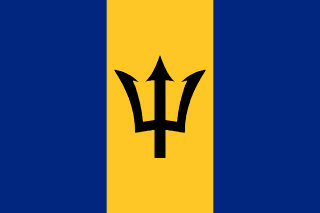
Discover
The identity of the nation
Barbados is the easternmost island of the Caribbean, a small coral country of about 280 thousand inhabitants, whose capital is Bridgetown. Known as the most British of the Caribbean islands, it was an English colony from 1627 to 1966 and shaped its identity around sugar cane, the Anglican faith, and a deep African heritage. In November 2021 it ceased to have the British queen as head of state and became a republic, keeping the parliamentary system.
The Bajan people, as Barbadians call themselves, are mostly descended from enslaved Africans brought to the sugar plantations. Out of that history of pain a vibrant culture was born: calypso (a Caribbean music genre with social satire), soca (Caribbean music derived from calypso), the Crop Over festival (Barbados’s harvest festival), and the colorful wooden houses called chattel houses (movable wooden houses typical of Barbados). The official language is English, spoken alongside Bajan Creole in everyday life.
Barbados is a Christian-majority nation, with a strong Anglican, Methodist, Pentecostal, and other Protestant church presence. Coral stone churches dot the landscape, and the Christian faith is woven into the island’s culture and traditions. Religious freedom is broad and Christians live out their faith without restrictions.
Despite the visible Christian heritage, there are real spiritual challenges: nominal and formal Christianity, the mixing of traditional African practices such as obeah (an Afro-Caribbean magic practice) with the professed faith, growing disengagement from religion among the young, and the attachment to material goods tied to tourism. The island enjoys relative prosperity for the region, but lives with inequality and with families marked by absent fathers.
As a nation that welcomes millions of visitors and whose sons and daughters spread across the world, Barbados has a calling to be a bridge: a welcoming, hospitable, and musical people, with churches that can be revived to reach both the island’s own heart and the nations that come to it.
- 1627 Arrival of the first English settlers; the island becomes a colony of England.
- 1640 Sugar cane cultivation begins, along with the massive importation of enslaved Africans.
- 1834 British emancipation act begins the end of slavery; full freedom in 1838.
- 1937 Popular uprisings drive social reforms and the movement for rights.
- 1966 Independence from the United Kingdom on November 30, with Errol Barrow as first premier.
- 2021 Barbados becomes a republic on November 30, ending the British monarchy.
- Today Christian-majority parliamentary republic, marked by African heritage and tourism.
-
Englishofficial, used in government, education, and business
-
Bajan Creolespoken in everyday life, a blend of English with African heritage
Barbados is a relatively flat coral island, the easternmost of the Lesser Antilles, located outside the Caribbean's main hurricane path. Covering about 430 km², it is surrounded by coral reefs and beaches, with gentle hills in the central area known as the Scotland District.
Major cities
- BridgetownCapital and main port, with a UNESCO-listed historic center
- SpeightstownOld trading town in the north, with historic streets
- OistinsFishing village in the south, famous for its Friday fish fry
Climate and temperature
Cou-cou and flying fish
National dish: flying fish in creole sauce served with a cornmeal and okra mash.
Rice and peas
Rice cooked with beans and coconut milk, a typical side on Bajan tables.
Fish cakes
Fried fritters of seasoned salted cod, a popular snack at fairs and festivals.
Bajan macaroni pie
Baked macaroni and cheese, a sure presence at Sunday lunches.
Pepperpot
A spicy, slightly sweet meat stew, traditional during the festive season.
Mauby
A chilled, bitter drink made from the bark of a local tree, the island's traditional refreshment.
Understand
Culture and spirituality
2a · The culture
Living African heritage
Most Bajans descend from enslaved Africans, and that root shapes music, faith, and cuisine.
British influence
Centuries of English rule left their mark on the language, the law, and the architecture.
Music and festivity
Calypso, soca, and the Crop Over festival in July and August are the heart of popular expression.
Chattel houses
The colorful movable wooden houses, built by rural workers, are a symbol of national identity.
Hospitality
The Bajan people are known for their warm welcome and their pride in hosting visitors well.
Faith on display
Coral stone churches mark the island's landscape and community life.
- Confusing Barbados with other islands Bajans take strong pride in their own distinct identity within the Caribbean.
- Dismissing the African heritage The history of slavery and emancipation is central and treated with seriousness.
- Wearing beachwear away from the beach Swimwear in town or in public places is frowned upon.
- Wearing camouflage The wearing of camouflage clothing by civilians is prohibited on the island.
- Ignoring local religiosity The Christian faith is respected; mocking comments about churches come across as offensive.
2b · The field
Areas of spiritual battle and cultural captivity to cover in prayer. Tap each point to understand:
Many call themselves Christians by tradition, without living faith or real commitment to Christ.
Traditional African beliefs in sorcery and protection persist, mixed with the professed faith.
Among the young, disengagement from the church and spiritual indifference are on the rise.
Prosperity tied to tourism fuels consumption and the pursuit of status.
Mother-led homes and absent fathers affect children and young people.
The flow of visitors brings a culture of pleasure and partying that challenges values.
Traditional religiosity can harden into formality without transformation.
Class and income differences persist as a legacy of the colonial era.
Alcohol abuse is a present social problem on the island.
Barbados is a nation of broad religious freedom, and Christians live and express their faith without restrictions. The Constitution guarantees freedom of worship, and society is predominantly Christian, with a long tradition of churches active in public life.
There is no organized persecution of Christians on the island. The level of pressure on the faith is very low, reflected in the nation’s modest score. The challenges are not ones of hostility, but of nominal Christianity, disengagement from religion, and spiritual indifference, especially among the younger generations.
Pastoral care here is less about protection and more about revival: bringing traditional faith into a living relationship with Christ and reaching those who have drifted from the church.
The persecution score runs from 0 to 100: the higher it is, the greater the pressure on Christians.
Barbados is a small and relatively homogeneous nation, with a Christian majority and a strong Afro-Caribbean heritage. The picture of unreached peoples is minimal, and virtually the entire population has access to the gospel in its own language. The challenge here is less one of access and more one of depth: bringing traditional and nominal faith into a living encounter with Christ.
- 4K Unreached 1,4%
- 0 Minimally reached 0%
- 0 Superficially reached 0%
- 28K Partially reached 10,1%
- 246K Significantly reached 88,5%
- 1 Unreached 25%
- 0 Minimally reached 0%
- 0 Superficially reached 0%
- 1 Partially reached 25%
- 2 Significantly reached 50%
Source of people group data: Joshua Project (joshuaproject.net). Estimates, may vary.
Source: Joshua Project. Estimates, may vary.
Pray
Intercede for this nation
Every nation carries a redemptive purpose. Marks that seem woven into the identity God desires to restore:
Go
Practical details for those who want to go
Local time
Cost of living
local currency: Barbadian dollar (BBD), pegged to the US dollar
Cost by city
Reference values (source: Numbeo). Confirm before traveling.
Practical points for those who go
- English is spoken: Bajan Creole is used in everyday life, but English works everywhere.
- The currency is the Barbadian dollar (BBD), pegged to the US dollar; the cost of living is high for the Caribbean.
- Avoid swimwear away from the beach and do not wear camouflage clothing, which is prohibited on the island.
- The island lies outside the main hurricane path, but the season runs from June to November.
- Respect the local religiosity: the Christian faith is a central part of Bajan life and culture.
Send and sustain
Not everyone goes, everyone takes part
Not everyone goes. Everyone takes part.
Behind every worker among these peoples stands a network of people who pray without ceasing, care for the family left behind, and faithfully sustain the work. Sending is mission too.
Start with your church: introduce this nation, adopt it in ongoing prayer, and walk alongside those God is raising up to go.