Discover
The identity of the nation
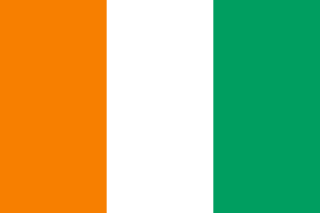
Ivory Coast, or Côte d’Ivoire, is a West African nation of more than 30 million people. Its political capital is Yamoussoukro, the hometown of the country’s founder, but the economic and cultural heart beats in Abidjan, a coastal metropolis home to millions of people and dozens of peoples. French is the official language, a colonial legacy that unites a mosaic of more than sixty ethnic groups and their languages.
It is a nation of shared and tense faith. Islam predominates in the north, Christianity grows in the south, and traditional ethnic religions permeate the entire territory, often blended with the other two. This meeting of beliefs generates both coexistence and sharply marked spiritual boundaries, especially between the Muslim north and the Christian south.
Ivory Coast was for decades a symbol of prosperity in the region, sustained by cocoa, of which it is the world’s largest producer. But concentrated wealth and divisions between north and south led the country into civil war and deep political crises in the early twenty-first century, wounds that are still healing.
In Yamoussoukro stands the Basilica of Our Lady of Peace, the largest church in the world by built area, a visible sign of the Christian presence. At the same time, millions of Ivorians live among peoples the gospel has barely reached, and young converts in the north face rejection from their own families.
It is a young, vibrant and strategic nation: a gateway to West Africa, with a growing church in the south and vast fields still largely unreached in the north and interior. Praying for Ivory Coast means asking for unity, healing of divisions, and for the light of the gospel to reach every people.
- Before the 15th century Various kingdoms and peoples, such as the Akan, Senufo and Malinke, inhabited the territory and maintained trade routes.
- 15th-17th centuries European navigators reach the coast; the region is named the Ivory Coast for its ivory trade.
- 1893 France declares Ivory Coast its colony, incorporating it into French West Africa.
- 1960 Independence on August 7, under the leadership of Félix Houphouët-Boigny, the first president.
- 1960-1993 Houphouët-Boigny governs for more than three decades; the country prospers through cocoa and coffee.
- 2002 Civil war breaks out, dividing the country between the rebel north and the government-held south.
- 2010-2011 A post-election crisis triggers renewed conflict and thousands of deaths.
- Today A nation in reconstruction, of faith divided between Islam, Christianity and ethnic religions, with peoples still unreached.
-
Frenchofficial, language of education, government and commerce
-
Dioulatrade lingua franca, widely spoken in the north and in the cities
-
Baouleone of the main Akan languages, spoken in the country's center
-
Bete, Senufo and othersmore than sixty ethnic languages reflect the great diversity of peoples
Ivory Coast lies in West Africa, bordered to the south by the Gulf of Guinea. It shares borders with Ghana, Liberia, Guinea, Mali and Burkina Faso. The territory ranges from beaches and lagoons on the coast to tropical forests in the south and savannas in the north, with fertile land that sustains large cocoa and coffee plantations.
Major cities
- AbidjanLargest city and economic hub, on the coast, with a port and vibrant cultural life
- YamoussoukroPolitical capital, home to the largest church in the world
- BouakeSecond-largest city, an important hub in the country's center
- San-PedroPort in the southwest, the main outlet for cocoa and coffee
- KorhogoCenter of the north, Muslim-majority, with a strong craft tradition
Climate and temperature
Attieke
Fermented cassava semolina similar to couscous, the national dish, served with fish or meat.
Kedjenou
Chicken slow-cooked in a clay pot with vegetables, without water or oil, a festive dish.
Alloco
Ripe plantain fried until sweet and golden, sold on the streets with spicy sauce.
Garba
Popular street food: attieke with fried tuna, onion and chili, an accessible everyday meal.
Foutou
Firm dough made from pounded plantain or yam, eaten with sauces and stews.
Understand
Culture and spirituality
2a · The culture
Ethnic diversity
More than sixty peoples live together; Ivorian identity brings together many languages and traditions.
North-south divide
The north is mostly Muslim and the south more Christian, a contrast that marks the country's life.
Hospitality and community
Life revolves around the extended family and sharing; welcoming others is a central value.
Music and dance
Birthplace of coupe-decale and the reggae of Alpha Blondy, music is a living part of the nation's soul.
Cocoa in culture
Cocoa farming shapes the economy, the calendar and the daily life of millions of families.
Ethnic religions
Traditional beliefs and ancestor worship permeate life, often blended with Islam and Christianity.
- Ignoring the north-south divide Tensions between regions and religions are real; treat the subject with sensitivity.
- Reducing the country to cocoa The nation is rich in peoples and culture, not just a crop.
- Confusing the capital with the center Yamoussoukro is the capital, but Abidjan is the heart of urban life.
- Disregarding local languages French unites the country, but valuing Dioula and ethnic languages opens doors.
- Overlooking hospitality Refusing food or being overly rushed can come across as disrespect for local welcome.
2b · The field
Areas of spiritual battle and cultural captivity to cover in prayer. Tap each point to understand:
Ethnic and religious boundaries feed distrust and hinder the nation's unity.
Ethnic beliefs blend with Islam and Christianity, diluting faith in Christ.
Devotion to spirits and ancestors keeps families bound to fear and tradition.
Consulting healers and magical practices is widespread and holds many hearts captive.
The traumas of recent conflicts have left hatred, grief and division still to be healed.
Extremist influence grows in the north, hostile to those who follow Christ.
Cocoa wealth breeds greed, inequality and exploitation in the fields.
Children exploited on plantations carry the weight of an unjust economy.
Mismanagement of resources robs the people of the fruit of a prosperous land.
Dozens of peoples still lack full access to the gospel in their own language.
Ivory Coast guarantees religious freedom by law, and in the south Christians live and worship in relative peace. Pressure on the faith is concentrated in the country’s Muslim-majority north, and within family and community settings.
Those who suffer most are converts from Islam to Christianity, especially in the north: many are rejected, harassed or expelled from their communities and families. In certain regions, local authorities discriminate against Christians, and the church feels marginalized.
Added to this is the growing threat of Islamic extremist groups advancing across the West African region. Northern Ivory Coast, bordering countries already marked by jihadist violence, lives under real risk, and radicalization breeds fear and insecurity among Christians.
Even so, the church remains alive and growing in the south, and Ivorians are finding in Christ a faith worth the price of rejection. Praying for Ivory Coast means interceding for protection, courage, and for peace among the peoples to prevail.
The persecution score runs from 0 to 100: the higher it is, the greater the pressure on Christians.
Ivory Coast is home to more than a hundred people groups, of which about thirty remain unreached by the gospel, totaling millions of people. The largest groups without full access include the Bete and the Senufo, many linked to ethnic religions, along with peoples of Muslim tradition in the north, such as the Malinke and Dioula. While the church grows in the south, vast fields in the center and north still await the Word reaching them in their own language.
- 6.9M Unreached 21,5%
- 531K Minimally reached 1,7%
- 50K Superficially reached 0,2%
- 9M Partially reached 28%
- 15.6M Significantly reached 48,6%
- 32 Unreached 30,5%
- 7 Minimally reached 6,7%
- 2 Superficially reached 1,9%
- 55 Partially reached 52,4%
- 9 Significantly reached 8,6%
Source of people group data: Joshua Project (joshuaproject.net). Estimates, may vary.
Senoufo supyire
Senoufo niarafolo-niafolo
Jeri Kuo
Jula dyula
Wassulu Frontier
Mau
Ligbi
Source: Joshua Project. Estimates, may vary.
Pray
Intercede for this nation
Every nation carries a redemptive purpose. Marks that seem woven into the identity God desires to restore:
Go
Practical details for those who want to go
Local time
Cost of living
higher in Abidjan, much lower inland
Cost by city
Reference values (source: Numbeo). Confirm before traveling.
Practical points for those who go
- Learn French: it is the official language and essential in daily life, commerce and government offices.
- Learn a few words of Dioula: it opens doors in the north and in street conversations.
- Pay attention to security, especially in the north, where there is risk linked to extremist groups.
- Get vaccinated against yellow fever and take precautions against malaria.
- Respect religious sensitivity: the country lives a delicate coexistence between Islam and Christianity.
- Value hospitality: accepting food and giving people your time builds trust.
Send and sustain
Not everyone goes, everyone takes part
Not everyone goes. Everyone takes part.
Behind every worker among these peoples stands a network of people who pray without ceasing, care for the family left behind, and faithfully sustain the work. Sending is mission too.
Start with your church: introduce this nation, adopt it in ongoing prayer, and walk alongside those God is raising up to go.