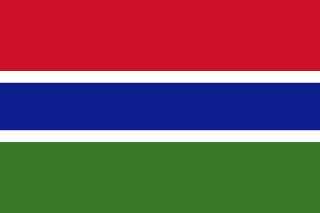
Discover
The identity of the nation
Gambia is the smallest country on mainland Africa: a narrow strip of land that follows both banks of the Gambia River, located almost entirely within Senegal and touching the Atlantic only at its mouth. Despite its size, it is home to about 2.7 million people, bringing together peoples such as the Mandinka, Fula, Wolof, Jola and Soninke, each with its own language and traditions. The capital is Banjul, but the largest urban concentration is in Serekunda and the coastal region.
Islam deeply shapes national life: about 96% of the population is Muslim, mostly following a tolerant Sufi expression intertwined with local customs. Traditional ethnic religions remain alive in communities in the interior, and Christians form a minority of less than 4%, concentrated partly among the Jola and among immigrant groups. Faith permeates daily life, from calls to prayer to family celebrations.
Known as the Smiling Coast, Gambia is marked by hospitality and griot culture, masters of word and kora who preserve the memory of the peoples. Kunta Kinteh Island, on the river, recalls the wound of the slave trade and has made the country a symbol of African roots for the diaspora. Fishing, peanut farming and beach tourism sustain much of the economy.
For more than two decades the country lived under an authoritarian regime, which ended in 2017 with a peaceful transition that opened the way to rebuilding institutions and freedoms. Religious freedom is generally respected, and there is cordial coexistence between neighbors of different faiths.
From a missionary standpoint, Gambia remains a largely unreached frontier: the vast majority live among peoples with little or no access to the gospel, and several languages still lack a Bible translation. There is fertile ground in the hospitality of the people and in the value placed on family and spirituality, opening paths for a witness carried out with respect and friendship.
- For centuries, Mandinka, Fula and Wolof peoples inhabit the banks of the Gambia River, with kingdoms linked to the great empires of West Africa.
- 15th century Portuguese navigators reach the river and begin trade along the coast.
- 17th-18th centuries The region becomes a site of the transatlantic slave trade; the island in the river holds this memory.
- 1965 Independence from the United Kingdom, on February 18, with Dawda Jawara leading the new country.
- 1970 Gambia becomes a republic; Jawara becomes its first president.
- 1994 Yahya Jammeh seizes power in a coup and rules autocratically for 22 years.
- 2017 Adama Barrow takes office after winning the election; the country experiences its first transition of power through the vote.
- Today Young democracy with a Muslim majority, rebuilding institutions and still a largely unreached frontier.
-
Englishofficial, used in government, schools and business
-
Mandinkamost widely spoken language, of the country's largest ethnic group
-
Fula (Fulfulde)spoken by the Fula people, mainly in the interior
-
Wolofcommon in Banjul and the coastal region
-
Jola and Soninkespoken by specific communities, some without a Bible translation
Gambia is the smallest country on mainland Africa, a narrow strip of land that follows both banks of the Gambia River, nowhere wider than about 50 km. Almost entirely surrounded by Senegal, it opens onto the Atlantic only at the river's mouth. The terrain is low and flat, with mangroves near the coast and tropical savanna in the interior.
Major cities
- BanjulCapital, at the river mouth, administrative center
- SerekundaLargest city in the country, commercial and population hub
- BrikamaImportant center in the west, regional market
- FarafenniInterior town, a passage point toward the east
Climate and temperature
Domoda
Peanut stew with meat or fish and vegetables, served over rice; the national dish.
Benachin
Rice cooked in a single pot with tomato, pepper and meat or fish, related to jollof.
Yassa
Chicken or fish marinated in onion and lemon, tangy and lightly spicy.
Grilled fish
Atlantic and river fishing makes fresh fish a staple of the Gambian table.
Millet porridge
Millet, sorghum or corn prepared as porridge and breads, a staple food of the interior.
Understand
Culture and spirituality
2a · The culture
Hospitality of the Smiling Coast
Welcoming visitors and sharing meals is a matter of honor for Gambians.
Griot tradition
Masters of word and kora keep the history and genealogy of the peoples across generations.
Community life
Extended family and neighbors form the support network; decisions and celebrations are collective.
Faith in daily life
Muslim prayer and blessings mark the rhythm of the day and of gatherings.
Diversity of peoples
Mandinka, Fula, Wolof, Jola and Soninke live together, each with its own language and customs.
Roots and memory
Kunta Kinteh Island makes the country a landmark of African roots for the diaspora.
- Disregarding greetings Greeting calmly and asking about the family opens doors; skipping this seems rude.
- Disrespecting the Muslim faith Dress modestly and respect prayer times and the Ramadan fast.
- Using the left hand to eat or hand something over Seen as improper; use the right hand instead.
- Treating poverty with pity or superiority Dignity and friendship matter more than charity.
- Photographing people without permission Ask first, especially in markets and ceremonies.
- Reducing the country to a beach destination Gambia has peoples, history and culture far beyond coastal tourism.
2b · The field
Areas of spiritual battle and cultural captivity to cover in prayer. Tap each point to understand:
Muslim faith defines belonging, and changing religion can cost family and community ties.
Traditional practices and amulets mix with faith, seeking protection outside of Christ.
Witchcraft and magic still inspire fear and shape decisions in many communities.
Pressure to follow the parents' religion makes personal faith choices difficult.
Entire peoples still do not have the Bible in their mother tongue.
Most of the population lives in groups with little or no access to the gospel.
Years of authoritarian rule left scars the young democracy is still working to heal.
Economic scarcity pushes many young people toward risky migration to Europe.
Early marriages still compromise the future of many girls.
The historical wound of the human trade still echoes in the people's identity.
Gambia is a Muslim-majority country with a tradition of religious tolerance, and the Constitution guarantees freedom of faith. Christians can gather and worship openly, and there is cordial coexistence between neighbors of different religions in everyday life.
The strongest pressure usually comes from family and community, not the State. Those who leave Islam to follow Christ may face rejection, isolation or loss of support from their own relatives, especially in the interior, where Muslim identity and tradition carry more weight.
The situation improved after the end of the authoritarian regime in 2017, which had tried to declare the country an Islamic republic. Even so, the number of Christians remains small, and many converts live out their faith discreetly. Prayer turns toward full freedom, families open to the gospel, and Christian communities that are strong and mature.
The persecution score runs from 0 to 100: the higher it is, the greater the pressure on Christians.
Gambia remains a largely unreached frontier: most of the population lives among peoples with little or no access to the gospel. The Mandinka, the country's largest group, along with the Fula and Wolof, remain predominantly Muslim with minimal evangelical presence. Several languages still lack a Bible translation, and Christians make up less than 4% of the population, with evangelicals below 1%.
- 2.4M Unreached 84,9%
- 194K Minimally reached 7%
- 0 Superficially reached 0%
- 224K Partially reached 8,1%
- 0 Significantly reached 0%
- 14 Unreached 53,8%
- 4 Minimally reached 15,4%
- 0 Superficially reached 0%
- 8 Partially reached 30,8%
- 0 Significantly reached 0%
Source of people group data: Joshua Project (joshuaproject.net). Estimates, may vary.
Bainouk, Gunyaamolo
Mandingo
Maninka oriental Frontier
Jahanka Frontier
Susu
Maninka Ocidental
Jola-Bayote
Source: Joshua Project. Estimates, may vary.
Pray
Intercede for this nation
Every nation carries a redemptive purpose. Marks that seem woven into the identity God desires to restore:
Go
Practical details for those who want to go
Local time
Cost of living
much cheaper than in Europe
Cost by city
Reference values (source: Numbeo). Confirm before traveling.
Practical points for those who go
- Greetings matter: greeting and asking about the family opens doors in any encounter.
- Dress modestly, especially away from the beaches and in Muslim communities.
- English is official, but learning greetings in Mandinka or Wolof wins over local hearts.
- Bring malaria protection and mind the water; prefer bottled or treated water.
- Carry cash (dalasi), as cards are accepted in few places.
- Respect Ramadan: many fast during the day, and the pace of the city changes during this period.
Send and sustain
Not everyone goes, everyone takes part
Not everyone goes. Everyone takes part.
Behind every worker among these peoples stands a network of people who pray without ceasing, care for the family left behind, and faithfully sustain the work. Sending is mission too.
Start with your church: introduce this nation, adopt it in ongoing prayer, and walk alongside those God is raising up to go.