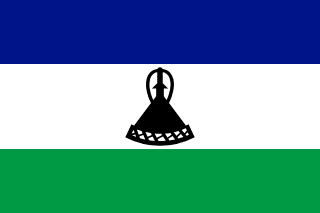
Discover
The identity of the nation
Lesotho is a small kingdom surrounded on all sides by South Africa, entirely situated above 1,000 meters in altitude, the only country in the world in that condition. That is why it is called the Kingdom in the Sky. Its mountains, deep valleys, and shepherd villages form a landscape unique in Southern Africa, shaping a people, the Basotho, known for their hospitality, the colorful blanket they wear, and their skill with the horses they use to cross terrain where roads are scarce.
The nation was born in 1824, when chief Moshoeshoe I gathered clans scattered by the region’s wars and founded his kingdom in the natural fortress of Thaba Bosiu. In 1833, at the king’s own invitation, the first Protestant missionaries arrived, who created the written form of Sesotho, opened the country’s first printing press, and laid the foundations of a church that would grow remarkably. Decades later, under pressure from neighboring settlers, the kingdom became a British protectorate, until reaching independence in 1966 as the Kingdom of Lesotho.
Today, Lesotho is one of the most Christian countries in the world: nearly nine in ten Basotho identify with some Christian tradition, among Catholics, Evangelicals, and Anglicans. Faith is woven into daily life, in choirs, schools, and community celebrations. But this widely shared Christian identity coexists with real challenges: belief in traditional healers (lingaka) and in the power of curses still influences decisions about health and justice in many villages, and for much of the people faith is more a family inheritance than a personal, transforming encounter with Christ.
The country also carries deep wounds. Generations of men have migrated to work in South Africa’s mines, leaving homes without a father’s presence, and Lesotho lives with one of the highest HIV rates in the world, which has multiplied the number of orphans and widows. The economy depends heavily on neighboring South Africa, whether through textile factories, diamonds, or the sale of mountain water, and unemployment pushes young people out of the country in search of opportunity.
The call on Lesotho is not to open closed doors, but to deepen a faith already present in nearly every home: to strengthen discipleship, to care for families fragmented by migration, to walk alongside those living with HIV, and to reach the few communities, such as the Xhosa minority and other smaller groups, still on the margins of the gospel. A people who already sing to God in nearly every village has everything it takes to also become a people who know him and follow him with all their heart.
- Sotho-speaking peoples had already been settling for centuries on the plateau between the Caledon and Senqu rivers.
- 1824 Chief Moshoeshoe I gathers clans scattered by the region's wars and founds the Basotho nation at the mountain fortress of Thaba Bosiu.
- 1833 At the king's own invitation, the first Protestant missionaries arrive, creating the written form of Sesotho and the country's first printing press, in Morija.
- 1868 Under pressure from neighboring settlers, Moshoeshoe I requests protection from Britain; the territory becomes the British protectorate of Basutoland.
- 1966 Independence as the Kingdom of Lesotho, retaining the monarchy founded by Moshoeshoe I.
- 1998 A severe political crisis leads to unrest and the intervention of regional troops.
- Today A majority-Christian nation, shaped by labor migration, strong dependence on neighboring South Africa, and social challenges such as HIV.
-
Sesothonational language, spoken by nearly the entire population
-
Englishofficial language alongside Sesotho, used in government, commerce, and schools
-
Zulu, Xhosa, and other Bantu languagesspoken by small ethnic communities in various regions of the country
Lesotho is a small mountain kingdom, surrounded on all sides by South Africa, which makes it one of the world's few enclave countries. It is also the only country on the planet entirely above 1,000 meters in altitude, earning it the nickname Kingdom in the Sky. The landscape is dominated by the Maloti Mountains and the western stretch of the Drakensberg range, with peaks exceeding 3,400 meters, deep valleys, and rivers that rise there and supply much of the region.
Major cities
- MaseruCapital and largest city, the country's main commercial and administrative center
- TeyateyanengKnown for traditional tapestry and pottery craftwork
- MorijaFormer missionary station from 1833, home to the country's first printing press and to dinosaur footprints
- Thaba BosiuFortress mountain where Moshoeshoe I founded the nation, today a sacred site and burial place of the kings
- MafetengMajor agricultural center in the south of the country
- Leribe (Hlotse)Urban center in the north, near historic sites and local craftwork
Climate and temperature
Papa
A firm cornmeal porridge that accompanies almost every Basotho meal
Moroho
Sauteed leafy greens, such as spinach or kale, served alongside the papa
Nyekoe
A stew of sorghum, beans, and pumpkin, slow-cooked until it thickens
Motoho
A slightly fermented sorghum porridge, tangy in flavor, sometimes drunk as a beverage
Ting
A fermented sorghum or corn porridge, firmer than motoho, offered to guests as a sign of hospitality
Seswaa
Beef or goat meat slow-cooked until it falls apart, then shredded and seasoned only with salt
Braai
Meat grilled over coals, a tradition shared across Southern Africa
Joala
Traditional sorghum beer, fermented and consumed on communal occasions
Understand
Culture and spirituality
2a · The culture
Botho (shared humanity)
The Basotho value of "I am because we are": treating one's neighbor with dignity, hospitality, and mutual respect.
The Basotho blanket
The colorful wool blanket, worn by men and women, is a symbol of identity and status in society.
Mountain horses
Riding is part of daily life in the highlands, where roads are few and distances are great.
Lebollo, the initiation rite
The traditional ceremony marking the passage to adulthood, with months of preparation, still shapes the lives of many young people.
Music and choir
Group singing, especially hymns, is central to worship services and community life.
Thaba Bosiu, the sacred mountain
The natural fortress where King Moshoeshoe I founded the nation is today a place of memory and Basotho identity.
Life in shepherd villages
Many families live off raising sheep and goats in the highlands, with shepherds spending months isolated in the mountains.
Sesotho as a bond of unity
Unlike many African countries, almost the entire population speaks the same national language, which strengthens a shared identity.
- Underestimating the mountain cold The highlands drop below freezing even outside winter; being unprepared can be dangerous.
- Ignoring Basotho hospitality Refusing an invitation to come in or eat is seen as disrespect toward the host.
- Photographing people without permission Many Basotho prefer to be asked before being photographed, especially in villages.
- Treating rural poverty with pity Dignity and partnership matter more than charity or hasty comparisons.
- Belittling traditional healers Even among Christians, belief in spiritual causes of illness is common; the topic calls for sensitivity, not mockery.
- Rushing conversations The pace of relationship matters more than efficiency; getting straight to the point can seem cold.
- Confusing Lesotho with South Africa Although surrounded by South African territory, the country has its own sovereignty, culture, and national pride.
2b · The field
Areas of spiritual battle and cultural captivity to cover in prayer. Tap each point to understand:
Belief in traditional healers and in the power of ancestors still mixes with Christian practice in many homes.
Fear of curses drives some communities to acts of violence against alleged culprits.
Generations of men working in South Africa's mines have left many homes without a father's presence.
The country lives with one of the highest HIV rates in the world, leaving marks of pain, stigma, and orphans.
Excessive drinking, including traditional beverages, worsens family and health problems.
High rates of domestic violence wound homes and communities across the country.
The country's economy, and even its water, depend heavily on South Africa, creating vulnerability.
Jobs are scarce for young people, fueling migration and discouragement.
Many call themselves Christian out of family tradition, without a personal, lived, transforming faith.
Highland communities go months without easy access to roads, schools, or churches.
Religious freedom is guaranteed by Lesotho’s Constitution, and Christians live out their faith openly, without any persecution from the State or other groups. Catholic, historic Protestant, and Pentecostal churches coexist in nearly every village, and it is rare to find a Mosotho who does not identify with some Christian tradition.
The greatest challenge does not come from outside, but from within: a faith that has often become a social habit more than a personal encounter with God. It is common to find a blending of Christianity with traditional beliefs, such as seeking out healers in times of illness or misfortune, and fear of witchcraft, which still leads to acts of violence in some communities. Deepening this faith already present in nearly every home is today a greater need than opening closed doors.
The persecution score runs from 0 to 100: the higher it is, the greater the pressure on Christians.
Lesotho is one of the most homogeneous countries in the world: nearly the entire population belongs to the southern Sotho people, the Basotho, today a people significantly reached by the gospel. This shifts the missionary challenge from initial evangelization to deepening a faith already widely professed. Even so, small ethnic minorities, such as the Zulu, Xhosa, Sotho-Taung, and Anglo-South Africans, remain only partially reached and call for ongoing discipleship. The only group classified as unreached is the country's deaf community, with practically no access to a church or to a gospel message in a language they can fully understand.
- 13K Unreached 0,6%
- 0 Minimally reached 0%
- 0 Superficially reached 0%
- 130K Partially reached 5,6%
- 2.2M Significantly reached 93,8%
- 1 Unreached 12,5%
- 0 Minimally reached 0%
- 0 Superficially reached 0%
- 5 Partially reached 62,5%
- 2 Significantly reached 25%
Source of people group data: Joshua Project (joshuaproject.net). Estimates, may vary.
Deaf Frontier
Chineses
Source: Joshua Project. Estimates, may vary.
Pray
Intercede for this nation
Every nation carries a redemptive purpose. Marks that seem woven into the identity God desires to restore:
Go
Practical details for those who want to go
Local time
Cost of living
Maseru is one of the more affordable capitals in Southern Africa
Cost by city
Reference values (source: Numbeo). Confirm before traveling.
Practical points for those who go
- Bring warm clothing even in summer, as nights in the mountains get quite cold.
- Learn a few greetings in Sesotho; the gesture is greatly valued by the Basotho.
- Prefer a 4x4 vehicle or local transport to reach the mountainous regions.
- Arrange village visits in advance, respecting the local pace of hospitality.
- Bring cash; cards do not always work outside Maseru.
- Watch out for the altitude: the entire country lies above 1,000 meters, which can affect visitors from outside.
- South African rand and maloti circulate side by side; both currencies are accepted throughout the country.
- Protect yourself from the sun: the high altitude increases exposure to ultraviolet rays, even on cold days.
Send and sustain
Not everyone goes, everyone takes part
Not everyone goes. Everyone takes part.
Behind every worker among these peoples stands a network of people who pray without ceasing, care for the family left behind, and faithfully sustain the work. Sending is mission too.
Start with your church: introduce this nation, adopt it in ongoing prayer, and walk alongside those God is raising up to go.