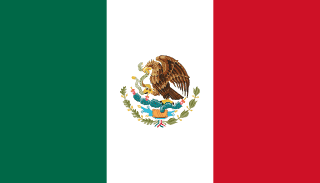
Discover
The identity of the nation
Mexico is the most populous Spanish-speaking country in the world, a bridge between North America and Latin America that brings together the strength of large modern cities and the richness of dozens of indigenous peoples. The heritage of ancient civilizations, such as the Aztecs and the Maya, exists side by side with the faith brought by Spanish colonization, which made Catholicism the religion of the vast majority of the population. The image of the Virgin of Guadalupe, associated with a 16th century apparition, is today the country’s strongest religious and cultural symbol, present in homes, businesses, vehicles, and festivals throughout the territory.
Although the majority identify as Christian, much of this faith is inherited and cultural, often mixed with popular and pre-Hispanic beliefs, such as devotion to entities linked to death. In recent decades, however, the number of evangelicals has grown steadily, especially among poorer families, indigenous communities, and in the southern and southeastern regions of the country. Local churches, already led by Mexican pastors and leaders, are multiplying in working-class neighborhoods and inland areas, showing a church that is increasingly homegrown and rooted in national culture.
Because of its history, its language, and its enormous diaspora in the United States, Mexico occupies a unique place on the missionary map: it is at once a field of work and a sending base for the Spanish-speaking world. Films, soap operas, music, and social media produced in the country reach millions of people throughout Latin America, giving the Mexican church a rare cultural influence to carry the message of the gospel beyond its borders.
At the same time, the church in Mexico faces serious challenges. In several states, organized crime directly threatens pastors and communities that refuse to collaborate with illegal activities, forcing entire families to abandon their homes. In indigenous communities in the south of the country, those who convert to the gospel can be expelled or discriminated against for breaking with ancient religious traditions. In the large cities, meanwhile, the fast pace of urban life and consumerism draw many young people away from any practice of faith.
Even so, there are concrete reasons for hope: a young and growing church, a rich tradition of music and worship, and Christian communities determined to remain faithful even under pressure. The greatest challenge now is to fully reach the indigenous peoples who still lack access to the Scriptures in their own language and to help millions of nominal Catholics live out a personal, transforming faith in Jesus.
- Before the arrival of the Europeans, civilizations such as the Olmecs, Maya, and Aztecs flourished in the territory, building cities, temples, and their own writing systems.
- 1519 to 1521 Spanish conquistador Hernán Cortés arrives in the territory and overthrows the Aztec empire, beginning Spanish colonization and the Catholic evangelization of the indigenous peoples.
- 1531 According to Catholic tradition, the Virgin of Guadalupe appears to the indigenous Juan Diego, giving rise to the country's most important Marian devotion.
- 1810 The war of independence begins, marked by the historic call to arms known as the Cry of Dolores.
- 1821 Mexico achieves independence from Spain.
- 1846 to 1848 The war against the United States results in the loss of a large part of the country's northern territory.
- 1910 to 1920 The Mexican Revolution profoundly transforms the country's political and social structure.
- 1926 to 1929 The Cristero War pits Catholic groups against the government in defense of religious freedom, leaving deep marks on the relationship between churches and the State.
- 19th to 20th century The first Protestant churches arrive in the country, and the first native pastors and evangelical congregations emerge.
- 1994 The free trade agreement with the United States and Canada takes effect, deepening economic ties with North America.
- Today Mexico is a federal democracy, with a growing evangelical church and challenges linked to organized crime violence and religious syncretism.
-
Spanishthe majority language, spoken by more than 90% of the population, although there is no official language defined by federal law
-
Indigenous languages68 recognized national languages, spoken by about 6% of the population, including Nahuatl, Maya, and Mixtec
-
Nahuatlthe most widely spoken indigenous language, with more than 1.5 million speakers, an heir to the language of the ancient Aztecs
-
Englishspoken mainly in tourism and business areas and in regions near the border with the United States
Mexico occupies the southern portion of North America, between the United States and Central America. It has two coastlines: the Pacific Ocean to the west and the Gulf of Mexico and the Caribbean Sea to the east. About two-thirds of the territory is covered by mountain ranges and plateaus, with active volcanoes, deserts in the north, tropical forests in the south, and the limestone plain of the Yucatan Peninsula.
Major cities
- Mexico CityCapital and largest city, the country's political, cultural, and economic center
- GuadalajaraBirthplace of mariachi and tequila, an important cultural and technological hub
- MonterreyThe country's main industrial center, near the border with the United States
- PueblaColonial city famous for its historic churches and cuisine, including mole poblano
- CancunOne of the country's largest tourist destinations, on the Yucatan Peninsula
- TijuanaBorder city, one of the busiest points of movement with the United States
Climate and temperature
Tacos
Corn tortilla filled with meat, topped with sauces and cilantro, the country's most popular dish
Mole poblano
A thick sauce made with chilies, spices, and chocolate, a symbol of Puebla's cuisine
Pozole
Corn soup with pork or chicken, traditional at festivals and celebrations
Tamales
Filled corn dough, cooked in corn husks or banana leaves
Chiles en nogada
Stuffed pepper covered in walnut sauce, in the colors of the national flag
Elote
Grilled corn on the cob, served with cheese, mayonnaise, and chili, sold on the streets
Understand
Culture and spirituality
2a · The culture
Devotion to the Virgin of Guadalupe
The greatest symbol of faith and national identity, present in homes, businesses, and festivals throughout the country
Reverence for family and ancestors
Dates such as the Day of the Dead show the importance of family ties that span generations
Hospitality and warmth
Visitors are usually welcomed with generosity and a genuine desire to please
Richness of indigenous cultures
Dozens of native peoples maintain their own languages, dress, festivals, and knowledge to this day
Popular faith and religious festivals
Processions, pilgrimages, and patron saint festivals mark the calendar of cities and towns
Music and regional traditions
Mariachi and other musical styles express the identity of each region
- Making jokes about the Virgin of Guadalupe or popular religious symbols Deeply offends the faith and identity of a large part of the population
- Treating indigenous cultures as a tourist curiosity Native peoples deserve respect as living communities, not as an attraction
- Talking about violence and organized crime as if it represented the whole country Generalizes a painful reality and ignores the everyday life of most people
- Being overly rushed in meetings and conversations Time devoted to personal relationships is seen as a sign of respect
- Ignoring the differences between the country's regions Mexico is culturally very diverse; what applies in the center may not apply in the south or north
2b · The field
Areas of spiritual battle and cultural captivity to cover in prayer. Tap each point to understand:
Catholic faith mixes with pre-Hispanic and popular beliefs, diluting the gospel in many communities
In the large cities, material success and consumption compete with God's place in people's lives
Groups linked to drug trafficking spread fear, corrupt institutions, and threaten those who oppose them
Rigid gender roles affect families and limit the freedom of women and young people
A large part of the population identifies as Catholic without a personal, transforming faith
Practices linked to witchcraft and the cult of entities associated with death attract those seeking protection or power
Distrust in authorities weakens hope for justice and change
Traditional communities sometimes expel or discriminate against those who convert to the gospel
The gap between rich and poor fuels resentment and lack of opportunity
The search for a better life in the United States breaks family and community ties
The fast pace of large cities draws many young people away from any religious practice
In Mexico, freedom of worship is guaranteed by the Constitution, but organized crime violence has become the main threat to church life in several regions. Groups linked to drug trafficking extort, threaten, and even kill pastors and leaders who speak out against crime or who get in the way of their routes and businesses, especially in states such as Chiapas, Guerrero, and Tamaulipas. Thousands of Christians have already had to leave their homes fleeing armed violence.
In indigenous communities in the south of the country, especially in Chiapas and Oaxaca, those who convert to the gospel and stop taking part in the community’s traditional rituals and contributions can face discrimination, fines, expulsion from their land, and even physical attacks, imposed by local leaders who see conversion as a break with collective identity. Even so, the evangelical church continues to grow throughout the country, with resilient communities that persevere in faith amid the pressures.
The persecution score runs from 0 to 100: the higher it is, the greater the pressure on Christians.
Mexico brings together 334 ethnic groups, including dozens of indigenous peoples who have preserved their own languages and traditions since before the arrival of the Spanish. The vast majority already have access to the gospel and have local churches, but five groups are still considered unreached, among them indigenous communities such as the Huichol, who strongly maintain traditional religious practices, and groups of immigrants of Arab origin. In addition, many of the 68 national indigenous languages still lack a complete Bible translation, which limits full access to the Scriptures in their own language for several peoples.
- 363K Unreached 0,3%
- 226K Minimally reached 0,2%
- 2.6M Superficially reached 2%
- 4.3M Partially reached 3,3%
- 123.9M Significantly reached 94,3%
- 5 Unreached 1,5%
- 5 Minimally reached 1,5%
- 117 Superficially reached 35%
- 122 Partially reached 36,5%
- 85 Significantly reached 25,4%
Source of people group data: Joshua Project (joshuaproject.net). Estimates, may vary.
Judeu
Judeus de fala espanhola
Japonês
Arab Lebanese Muslim
Huichol
Árabe Palestino
Árabe Sírio
Source: Joshua Project. Estimates, may vary.
Pray
Intercede for this nation
Every nation carries a redemptive purpose. Marks that seem woven into the identity God desires to restore:
Go
Practical details for those who want to go
Local time
Cost of living
more expensive in the capital and tourist destinations like Cancun
Cost by city
Reference values (source: Numbeo). Confirm before traveling.
Practical points for those who go
- Learn Spanish: it makes daily life and building genuine relationships much easier.
- Pay attention to safety in regions affected by organized crime; seek local guidance before visiting rural areas.
- Respect indigenous customs when visiting native communities, especially in Chiapas and Oaxaca.
- Prepare your palate for spicy food; chili is present in most dishes.
- Use reliable transportation and avoid traveling alone at night in large cities.
- Be ready for Mexican warmth: hugs, long conversations, and hospitality are part of the culture.
Send and sustain
Not everyone goes, everyone takes part
Not everyone goes. Everyone takes part.
Behind every worker among these peoples stands a network of people who pray without ceasing, care for the family left behind, and faithfully sustain the work. Sending is mission too.
Start with your church: introduce this nation, adopt it in ongoing prayer, and walk alongside those God is raising up to go.