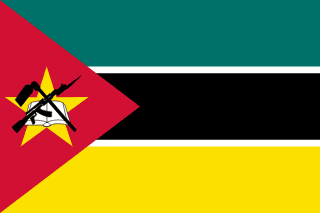
Discover
The identity of the nation
Mozambique stretches nearly 2,700 kilometers along the Indian Ocean in southeastern Africa, joining a coastline of beaches and mangroves to an interior of plateaus cut by great rivers, such as the Zambezi and the Limpopo. It is a country of diverse Bantu peoples, with dozens of local languages, where Portuguese, inherited from the colonial period, remains the official language and unites administration, schools and churches from north to south.
Faith in the country reflects this regional diversity. In the south and center, Christianity predominates, with Catholic and evangelical churches and a large number of Zionist churches, Christian communities of African origin that blend biblical elements with the veneration of ancestors. In the north, especially in the provinces of Cabo Delgado, Nampula and Niassa, Islam is strong among peoples such as the Macua and Maconde, many of whom still live without any meaningful Christian witness in their own language and culture.
The country’s recent history carries the weight of two successive wars: the struggle for independence from Portugal, won in 1975, and the civil war that divided the country for nearly fifteen years afterward. Reconstruction after 1992 brought growth and the strengthening of the church in many regions, but also revealed new wounds, such as the armed conflict affecting Cabo Delgado since 2017, linked to an Islamic extremist group that has already forced hundreds of thousands of people to leave their homes.
Despite the difficulties, the Mozambican church is growing and maturing, with a faith marked by resilience and joy, even amid poverty and the natural disasters that strike the country almost every year, such as cyclones and floods. Mozambique occupies a strategic place between southern Africa and the Indian Ocean, and its church faces the challenge of reaching its own peoples still without access to the gospel, while deepening discipleship where the faith has already arrived but still coexists with a mixture of ancient beliefs.
- Bantu peoples arrive in the region more than two thousand years ago, coming from northern and western Africa.
- 8th-15th centuries Arab and Swahili traders establish ports on the coast and bring Islam to Mozambique.
- 1498 Portuguese navigator Vasco da Gama reaches the Mozambican coast on his way to India.
- 1505 Portugal sets up the first trading posts, beginning nearly five centuries of colonization.
- 1964-1974 War of liberation against Portuguese colonial rule.
- 1975 Independence from Portugal, proclaimed on June 25.
- 1977-1992 Civil war between the government and armed opposition, with more than 1 million deaths.
- 1992 The General Peace Agreement ends the civil war, with the Catholic Church taking part in the mediation.
- 2017 Beginning of an armed conflict linked to Islamic extremism in the northern province of Cabo Delgado.
- Today A country in reconstruction, with a growing church and challenges of poverty, natural disasters and armed conflict in the north.
-
Portugueseofficial language; the mother tongue of about 20% of the population and spoken by more than half as a second language
-
Emakhuwa (Macua)the country's most widely spoken Bantu language, dominant in the north
-
Xichangana (Changana)one of the most widely spoken Bantu languages in the south
-
Cisena, Elomwe, Cindau and other Bantu languagesdozens of local languages spoken in different regions of the country
Mozambique has a coastline of nearly 2,700 kilometers facing the Indian Ocean, one of the longest in Africa. North of the Zambezi River, the terrain rises into plateaus and mountain ranges; to the south, a broad coastal plain dominates, cut by rivers, among them the Limpopo. The Zambezi, the fourth largest river on the African continent, crosses the country from west to east and is Mozambique's main waterway. The territory borders six countries, among them Tanzania, Malawi, Zambia, Zimbabwe, South Africa and Eswatini.
Major cities
- MaputoCapital and largest city, political and economic center in the far south
- MatolaIndustrial city next to Maputo, part of the same metropolitan area
- BeiraThe country's second largest port, in the center, an important trade corridor
- NampulaThe main city in the north, the region's commercial center
- NacalaHome to one of the deepest natural harbors in Africa
- QuelimaneHistoric capital of Zambezia province, surrounded by mangroves
- PembaPort in the far north, gateway to the Quirimbas Archipelago
Climate and temperature
Matapa
Cassava leaves cooked with peanuts and coconut milk, served with seafood or meat
Piri-piri chicken
Grilled chicken marinated in a spicy sauce of piri-piri, garlic and lemon
Shrimp curry
Shrimp cooked in a creamy sauce of coconut milk, tomato and spices
Xima
Thick porridge made from corn or cassava flour, a basic accompaniment to meals
Mozambican-style crab
Crab prepared with coconut milk and seasonings, a typical coastal dish
Chamussas
Fried triangular pastries, filled with meat, fish or seasoned vegetables, a legacy of the strong Indian presence on the coast
Bolo Polana
A sweet made from peanuts, sweet potato and coconut, one of Maputo's most traditional desserts
Understand
Culture and spirituality
2a · The culture
Capulana, the fabric that dresses everyday life
A piece of colorful cloth worn by nearly all women as a skirt, shawl or to carry babies on their backs, a symbol of female identity.
Timbila, music that became heritage
The wooden xylophone orchestra of the Chopi people, in the center of the country, is recognized by UNESCO as intangible cultural heritage of humanity.
Respect for elders
Elders are seen as guardians of memory and tradition, and their words carry weight in family and community decisions.
Diversity of peoples and languages
Dozens of ethnic groups and Bantu languages live side by side, from the Muslim-majority north to the Christian-majority south.
A blend of influences on the coast
The culture combines African Bantu roots with Arab-Swahili heritage on the northern coast and Portuguese heritage throughout the country.
Marrabenta, the rhythm that shapes the south
A musical genre born in Maputo in the mid-20th century, today one of the country's greatest symbols of musical identity.
- Photographing people without asking permission Many consider it disrespectful to be photographed without consent, especially women and children.
- Photographing public buildings and government facilities Local law restricts this kind of photography and can cause problems with the authorities.
- Using the left hand to greet or hand over objects In several local cultures, the left hand is considered improper for this kind of gesture.
- Treating witchcraft accusations against the elderly with indifference This is a serious and sensitive topic; older women, in particular, still suffer violence linked to these accusations.
- Ignoring traditional community leaders In many villages, important decisions first pass through the régulo, the local traditional chief.
- Commenting lightly on the conflict in the north of the country The violence in Cabo Delgado has deeply wounded entire families; it is a topic that requires sensitivity.
2b · The field
Areas of spiritual battle and cultural captivity to cover in prayer. Tap each point to understand:
In many Zionist churches, the Christian faith blends with the veneration of spirits and ancestors, diluting the gospel.
Belief in healers and witch doctors still weighs on decisions about health, justice and family relationships in several regions.
An armed group linked to the Islamic State attacks Christian and Muslim communities in the far north of the country.
The wealth from natural gas and other resources does not reach most of the population, fueling distrust in institutions.
A large share of families live with few resources, even amid the country's natural wealth.
Cyclones, floods and droughts strike the country almost every year, leaving entire communities vulnerable.
Ethnic, religious and historical differences between north and south fuel long-standing tensions.
Polygamy and other traditional practices still shape, and at times weaken, family structure.
Decades of conflict left deep marks, still present in the memory of many families.
Several Macua and Maconde peoples have practically no established church in their own language.
Mozambique’s Constitution guarantees religious freedom, and across most of the territory Christians live out their faith openly, take part in worship and evangelize without legal restrictions. The pressure that exists day to day is more social than legal: in communities where the veneration of ancestors is strong, those who convert to evangelical Christianity can face rejection from their own family or village.
The situation is far more serious in the province of Cabo Delgado, in the far north, where an armed group linked to Islamic extremism has been attacking villages, churches and communities since 2017. Christians have been killed, kidnapped and forced to flee their homes, and churches and other places of worship have been destroyed or closed. Women and girls face particular risk of kidnapping and abuse in these conflict areas.
Outside the war zone, the church’s greatest challenge is of a different nature: deepening a faith that, in many places, still blends Christian elements with traditional practices, and reaching the peoples of the north who remain largely Muslim or tied to the religions of their ancestors.
The persecution score runs from 0 to 100: the higher it is, the greater the pressure on Christians.
Mozambique brings together more than 50 ethnic groups, most of Bantu origin. Twelve of these peoples are still considered unreached with the gospel, concentrated mainly in the north of the country, where Muslim presence and traditional religions are strong. Peoples such as the Macua of interior Cabo Delgado and Nampula, and much of the Maconde, have very little or no established church in their own language and culture. In the south, however, peoples such as the Changana have more mature churches, the fruit of a Christian faith rooted for generations.
- 3.9M Unreached 10,9%
- 9.2M Minimally reached 26%
- 19K Superficially reached 0,1%
- 6.1M Partially reached 17,3%
- 16.2M Significantly reached 45,8%
- 12 Unreached 23,1%
- 14 Minimally reached 26,9%
- 2 Superficially reached 3,8%
- 16 Partially reached 30,8%
- 8 Significantly reached 15,4%
Source of people group data: Joshua Project (joshuaproject.net). Estimates, may vary.
Makhuwa-Nahara Frontier
Gujarati Frontier
Swahili Frontier
Hindi
Yao Muçulmano
Makwe Frontier
Mwani
Source: Joshua Project. Estimates, may vary.
Pray
Intercede for this nation
Every nation carries a redemptive purpose. Marks that seem woven into the identity God desires to restore:
Go
Practical details for those who want to go
Local time
Cost of living
higher in Maputo than in the rest of the country
Cost by city
Reference values (source: Numbeo). Confirm before traveling.
Practical points for those who go
- Learn a few words in Portuguese: it is the official language, but not everyone speaks it fluently outside urban centers.
- Use chapas (shared vans) with patience: they are the most common form of transport, but crowded and without a fixed schedule.
- Bring repellent and malaria protection: the disease is present across much of the territory.
- Respect community leaders when visiting villages; the traditional hierarchy is still strong.
- Be alert during cyclone season, between November and April, especially along the coast.
- Carry cash: cards are not always accepted outside the major cities.
- Greet unhurriedly: ask about health and family before addressing any other matter, an essential part of local courtesy.
- Take off your shoes when entering family homes: a common sign of respect.
Send and sustain
Not everyone goes, everyone takes part
Not everyone goes. Everyone takes part.
Behind every worker among these peoples stands a network of people who pray without ceasing, care for the family left behind, and faithfully sustain the work. Sending is mission too.
Start with your church: introduce this nation, adopt it in ongoing prayer, and walk alongside those God is raising up to go.