Discover
The identity of the nation
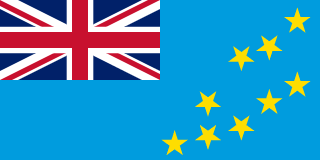
Tuvalu is one of the smallest and most isolated countries in the world, made up of nine islands and atolls (coral rings surrounding a lagoon) scattered across a vast stretch of the Pacific Ocean. Just over 11 thousand people live on a land area totaling only 26 km², almost all of it less than two meters above sea level. It is also one of the countries most threatened by rising seas: scientists already predict that much of the capital, Funafuti, could be underwater within a few decades.
Christianity arrived in Tuvalu in 1861, when Elekana, a Christian from the Cook Islands, was cast into the sea by a storm and, after weeks adrift, reached the island of Nukulaelae. He began teaching the Christian faith to the residents, and years later Samoan pastors helped form what is today the Church of Tuvalu (Ekalesia Kelisiano Tuvalu, of Reformed tradition and organized by local congregations). This church became the center of social life on every island, and today nearly the entire Tuvaluan population identifies as Christian.
But this extremely high number of Christians hides a real challenge: for many, faith is more a tradition inherited from ancestors than a living, personal decision. The historic church carries so much weight in community life that, on some islands, leaving it to follow Christ in another denomination can come at a high social cost, with pressure from neighbors and even from councils of elders. The result is a people who have known the name of Jesus for generations but who still need a fresh awakening of personal faith.
Distance is also a challenge unique to Tuvalu. The smaller islands, outside the capital, receive few visitors, little discipleship, and almost no close pastoral care, since travel between atolls depends on boats and a single weekly flight. Add to that the real anxiety of families who already wonder where they will move once the sea advances further onto their land.
Even so, Tuvalu carries a unique potential: a united people, accustomed to living and deciding as a community, with a church already established on every island for more than 150 years. Praying for a genuine revival within this historic church, and for Tuvaluans who carry this renewed faith wherever the rising sea leads them, is a concrete way to follow what God can do among this Pacific people.
- The first Polynesian settlers arrive from Samoa, around the 14th century
- 16th century Spanish navigator Álvaro de Mendaña sights the islands, one of the first European contacts with the region
- 1861 Elekana, a Christian from the Cook Islands, drifts ashore on the island of Nukulaelae and begins teaching the Christian faith
- 1892 Great Britain turns the islands into a protectorate, joining them with the Gilbert Islands in the colony of the Gilbert and Ellice Islands
- 1974-1975 A referendum separates the two peoples; the Gilbert and Ellice Islands colony ceases to exist
- 1978 Tuvalu becomes an independent country within the Commonwealth of Nations, with the King of the United Kingdom as head of state
- Today Tuvalu faces the threat of rising sea levels, which could make much of the territory uninhabitable within the coming decades
-
TuvaluanA Polynesian language spoken by nearly the entire population, the main everyday language outside the capital
-
EnglishThe official language used in government, commerce, and education, alongside Tuvaluan
-
Kiribati (Gilbertese)Spoken by some residents of the island of Nui, who have roots linked to Kiribati
-
SamoanStill heard in church songs and hymns, a legacy of the first Samoan pastors who helped form the local church
Tuvalu is one of the smallest countries in the world, made up of nine islands and atolls (coral rings surrounding a lagoon) scattered across a vast stretch of the Pacific Ocean, between Australia and Hawaii. All the dry land in the country totals just over 26 km², far smaller than many neighborhoods in a large city, and almost no point in the territory sits more than two meters above sea level. Distances between the islands are covered by boat or on short flights to the capital, Funafuti.
Major cities
- FunafutiCapital and the country's only urban center, home to nearly half the population on a narrow strip of land
- VaiakuA village within the Funafuti atoll where the airport and main government buildings are located
- NanumeaThe country's northernmost atoll, known for its lagoons and for holding freshwater sources beneath the ground
- VaitupuThe largest island by land area, home to one of the country's main secondary schools
Climate and temperature
Palusami
Taro leaves (a root widely grown across the Pacific) filled with grated coconut and coconut milk, wrapped in banana leaf and steamed
Pulaka
A root resembling yam, grown in deep pits of soil, forms the base of the traditional Tuvaluan diet
Fish in coconut milk
Fresh lagoon fish seasoned and cooked in coconut milk, an everyday dish on almost every Tuvaluan table
Fekei
Grated pulaka or taro, wrapped in leaves and steamed with coconut cream, served at festivals and community gatherings
Understand
Culture and spirituality
2a · The culture
Fatele
The traditional dance that blends singing, hand-clapping on wooden boxes, and movement in rows, present at every festival, wedding, or important visit
Falekaupule
Each island's community house, where elders gather to decide community matters and everyone comes together for celebrations
Sunday rest
Under the church's influence, work, sports, and commerce practically stop on Sunday, a day devoted to worship and family
Fiber weaving
Mats, hats, and fans handmade from pandanus leaves (a plant resembling a palm tree, common across the Pacific) are an important part of family craftwork
Traditional canoes
Fishing from hand-carved wooden canoes still provides much of the food for families on the smaller islands
- Photographing people without asking permission Many communities consider this invasive, especially at falekaupule (community house) gatherings and religious ceremonies
- Scheduling appointments on Sunday Sunday is devoted to rest and worship; scheduling activities that day can offend local hosts
- Entering land or waters without authorization Nearly all the land and the surrounding waters belong to specific families, even when they appear open for common use
- Calling the rising sea a problem with "no solution" For Tuvaluans this is more than a scientific fact, it is a threat to their ancestral land; handle the topic with sensitivity
- Refusing food offered during a visit Sharing food is an important sign of hospitality; refusing without explanation can come across as rejection
2b · The field
Areas of spiritual battle and cultural captivity to cover in prayer. Tap each point to understand:
Much of the population was baptized and attends church out of family tradition, without a personal, living commitment to the faith
Families who leave the traditional church for another denomination sometimes suffer social isolation on the smaller islands
Real fear of losing the land fuels discouragement and a sense that nothing can be done, including in spiritual life
The heavy social weight of the historic church can stifle the pursuit of a deeper, personal revival
Many young people leave to study or work abroad and do not return, emptying local churches of new leadership
Heavy reliance on donations and international funds can weaken faith in God as provider
Growing contact with foreign consumer goods, arriving through remittances and the internet, is changing family values
Communities outside Funafuti receive few visits and little pastoral care, leaving them more exposed to spiritual weakening
The idea that only the people's historic church holds legitimate faith can close doors to a personal relationship with Christ
Uncertainty over where families will live in a few decades generates a fear that only hope in God can answer
In Tuvalu, nearly the entire population identifies as Christian, and the Church of Tuvalu, the historic church of Reformed tradition, carries enormous weight in the social and community life of every island. Because of this, the greatest pressure on those who follow Christ outside of it comes not from the state but from the community itself.
On smaller islands, councils of elders have already blocked meetings of minority religious groups, and families who leave the traditional church report social isolation. There has even been a case of a family from a minority denomination driven off their land by neighbors for not taking part in building the local church. In the capital, Funafuti, this kind of restriction is much rarer, but the social cost of leaving the traditional church still weighs heavily on the more remote islands.
The persecution score runs from 0 to 100: the higher it is, the greater the pressure on Christians.
Tuvalu has just two catalogued people groups: the Tuvaluans (the majority people, of Polynesian origin, about 99% of the population) and a small community of Kiribati origin (Gilbertese, linked to Kiribati) on the island of Nui. According to Joshua Project, neither is considered unreached, and both languages, Tuvaluan and Kiribati, already have the complete Bible translated. Tuvalu's challenge today is not a lack of access to the gospel, but deepening a faith that, for many, is still lived more as tradition than as personal conviction.
- 0 Unreached 0%
- 0 Minimally reached 0%
- 0 Superficially reached 0%
- 100 Partially reached 1%
- 9K Significantly reached 99%
- 0 Unreached 0%
- 0 Minimally reached 0%
- 0 Superficially reached 0%
- 1 Partially reached 50%
- 1 Significantly reached 50%
Source of people group data: Joshua Project (joshuaproject.net). Estimates, may vary.
Pray
Intercede for this nation
Every nation carries a redemptive purpose. Marks that seem woven into the identity God desires to restore:
Go
Practical details for those who want to go
Local time
Cost of living
Few restaurants exist outside the capital; most food comes from fishing and subsistence farming
Cost by city
Reference values (source: Numbeo). Confirm before traveling.
Practical points for those who go
- Time zone: Tuvalu is 15 hours ahead of Brasília time year-round, since Brazil no longer observes daylight saving time
- Limited connection: internet reached Tuvalu via undersea cable only recently; calls and messages may fail outside Funafuti
- Few flights: usually only one weekly flight connects Funafuti to the outer islands, and the sea can prevent boat travel for days
- Sunday standstill: commerce, transport, and most public services practically stop on Sunday
- Modest dress: clothing that covers shoulders and knees is more respectful, especially when visiting churches and community houses
Send and sustain
Not everyone goes, everyone takes part
Not everyone goes. Everyone takes part.
Behind every worker among these peoples stands a network of people who pray without ceasing, care for the family left behind, and faithfully sustain the work. Sending is mission too.
Start with your church: introduce this nation, adopt it in ongoing prayer, and walk alongside those God is raising up to go.